
Denver's Legacy of Overcoming Distance: From Air Mail to Modern Connectivity |
A Century of Innovation in Communication and Infrastructure |
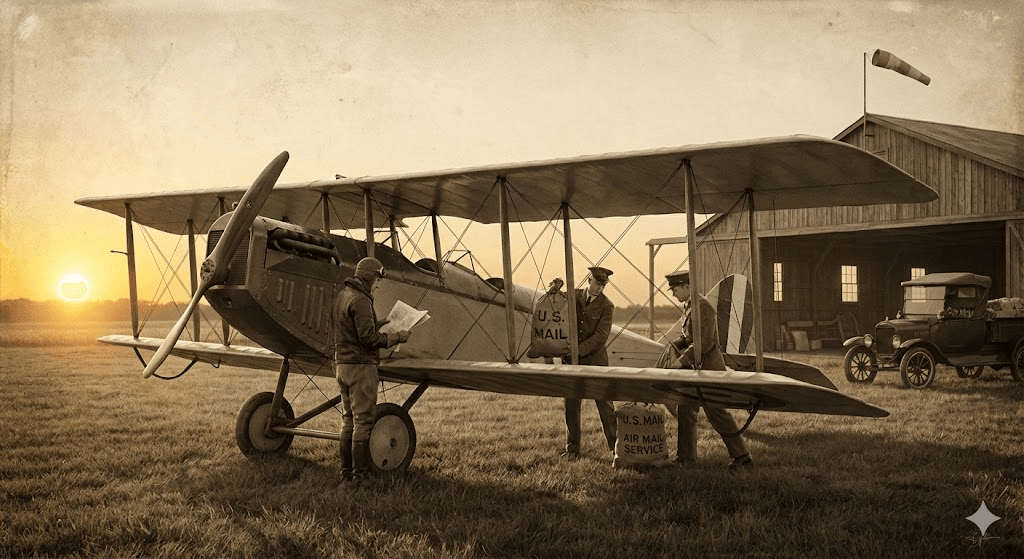
In 1911, the advent of air mail service revolutionized communication, transcending geographical barriers and accelerating information exchange.
Denver, nestled between regions and defined by its elevation, has long embraced innovations that surmount natural obstacles.
The introduction of air mail exemplified this spirit, transforming the city's connectivity and fostering growth.
Today, Denver continues to prioritize infrastructure that enhances speed and trust in communication and logistics.
The recent renovation of the 16th Street Mall, completed in July 2025, underscores this commitment.
The project introduced wider walkways, expanded restaurant patios, and vibrant public spaces, all designed to improve regional connectivity and community engagement.
Similarly, the expansion of Denver International Airport (DIA) reflects the city's dedication to overcoming distance.
In April 2025, DIA welcomed the Airbus A380 for the first time, marking a significant milestone in enhancing international travel options and reinforcing Denver's role as a global hub.
These developments are not merely about speed; they are about building reliable systems that communities can trust.
Just as early aviation required courage and rapid learning, Denver's modern infrastructure projects demand innovation and resilience.
The city's ongoing investments in communication infrastructure and logistics innovation ensure that it remains a leader in regional connectivity.
The legacy of air mail service in Denver serves as a reminder that progress accelerates when communities invest in overcoming distance.
By fostering systems that prioritize speed and trust, Denver continues to thrive, demonstrating that overcoming distance is not just a technical challenge but a strategic imperative. |
0 Comments
Join the conversation
Be the first to comment
Share your thoughts above.