
Electric Refrigeration's Impact on Denver's Household Innovation |
How the Introduction of Electric Refrigerators Transformed Food Preservation in Denver |
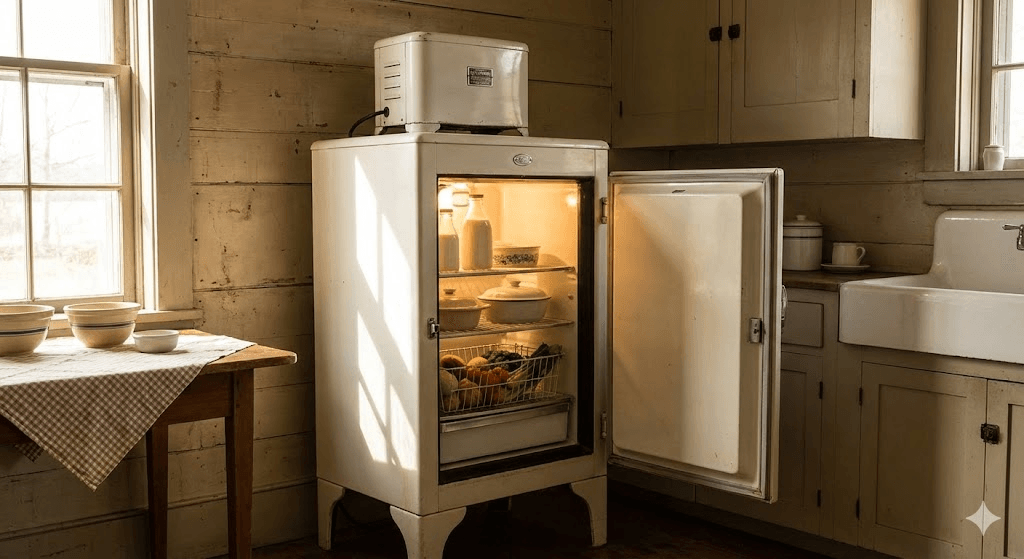
The advent of the electric refrigerator in the early 20th century marked a significant milestone in household innovation, fundamentally altering food preservation methods.
Prior to this, Denver residents relied on iceboxes, which required regular deliveries of ice harvested from local sources like Crystal Lake.
These ice houses stored large blocks of ice insulated with sawdust or straw to keep perishables cool.
However, this method was labor-intensive and dependent on seasonal ice availability.
The introduction of electric refrigerators, such as the DOMELRE in 1914, revolutionized this process by providing a reliable and consistent means of food preservation.
For Denver, a city where environmental conditions can change rapidly, this innovation was particularly impactful.
Households could now plan meals with greater confidence, reducing food waste and improving access to fresh produce year-round.
This shift not only enhanced daily life but also reflected a broader trend of technological advancements improving quality of life by simplifying everyday tasks.
As Denver continued to grow, the emphasis on dependable infrastructure—be it in utilities, transportation, or household appliances—became a cornerstone of the city's development.
The electric refrigerator stands as a testament to how innovation can seamlessly integrate into daily routines, becoming an indispensable yet often overlooked component of modern living.
Its success lies in its ability to operate quietly in the background, allowing residents to focus on other aspects of life without concern for food preservation.
In Denver's history, the transition from iceboxes to electric refrigeration exemplifies the city's adaptability and commitment to embracing technologies that enhance the quality of life for its inhabitants.
As we reflect on this evolution, it becomes clear that progress often manifests in the systems we come to rely on daily, shaping our routines and expectations in profound ways. |
0 Comments
Join the conversation
Be the first to comment
Share your thoughts above.